

Recovery
What are peptides.
Short chains of amino acids that act as signalling molecules in the body. This is what you need to know before reading on.
A peptide is a chain of amino acids, the same building blocks proteins are made of. The difference is the length. Up to about fifty amino acids we speak of a peptide, above that of a protein. That boundary is a convention, not a law of nature.
What they do
Peptides mainly act as signalling molecules in the body. They bind to a receptor on a cell and thereby set a reaction in motion. Insulin is a peptide, so is oxytocin. They are not building materials but messengers.
That specificity makes them interesting for research. A peptide that only fits one receptor can be studied far more precisely than a molecule that acts everywhere.
Why they come as a powder
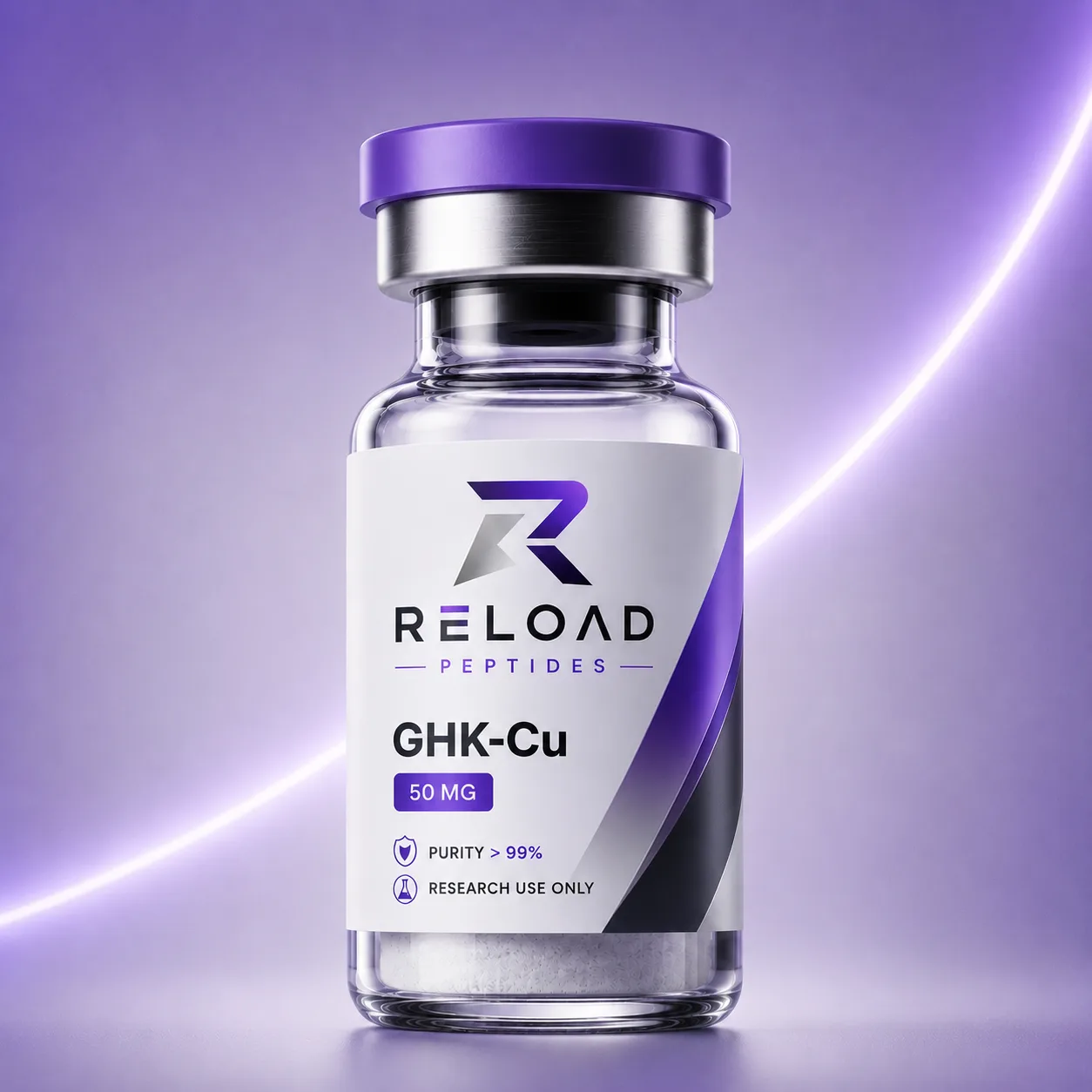
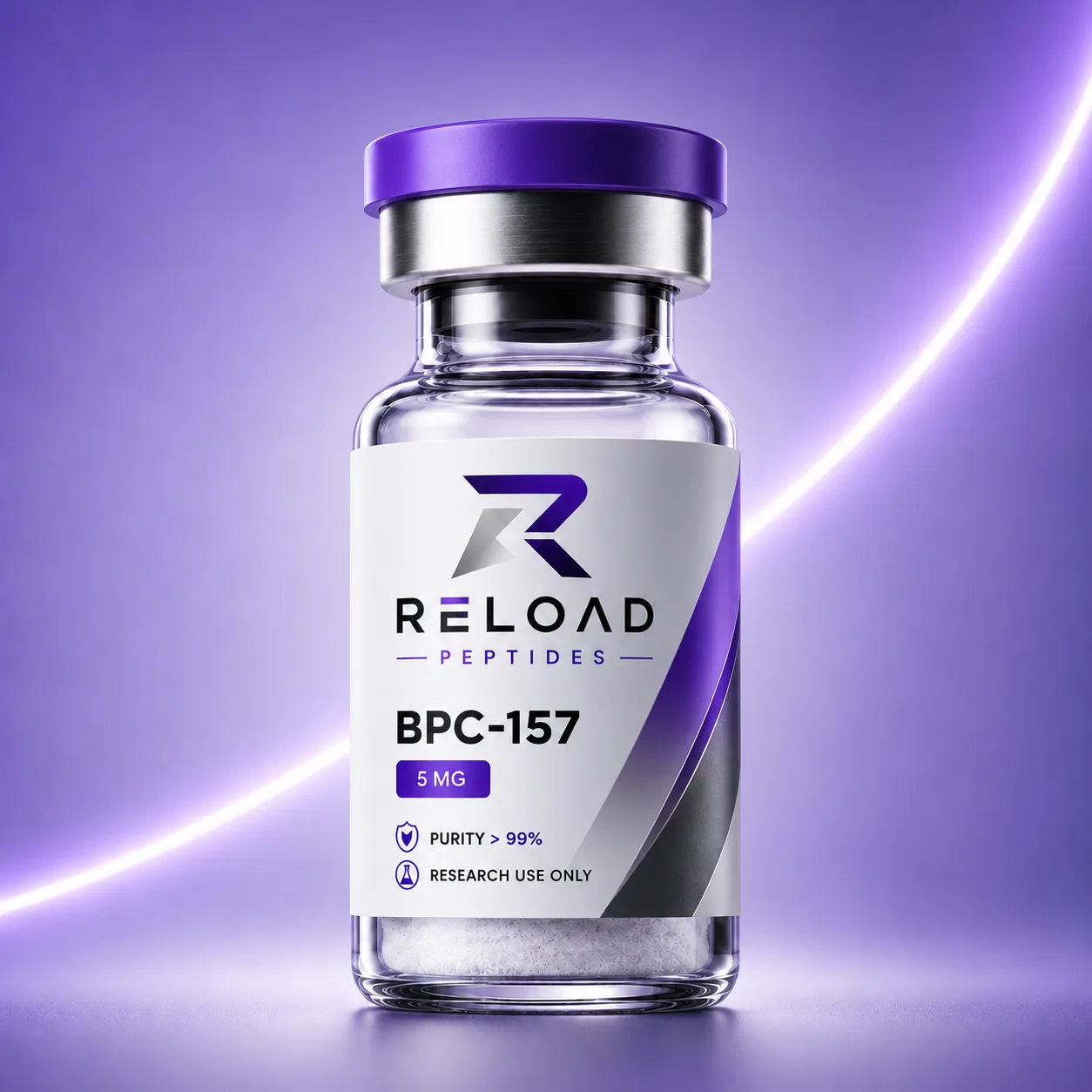
Peptides are sensitive in dissolved form. They break down under the influence of temperature, light and enzymes. By freeze-drying them, lyophilising in technical terms, the water is removed and a stable white powder remains.
That powder keeps for months at low temperature. Only when you dissolve it does the clock start. That is why we supply freeze-dried, and why we ship with dry ice.
Why purity matters
During synthesis, related chains arise alongside the target compound: too short, too long, or with a wrong amino acid. Small amounts of these remain after purification. How much remains is exactly what an analysis measures.
So two vials with the same label can differ. That is why a report belongs to a batch and not to a product name.
Research use
Everything in our catalogue is intended for research purposes and laboratory use. Not for human consumption. The categories on this site indicate within which field of research a compound is studied, and are no promise about what it does to anyone.
Read on: what purity means.
Products from this article
- Recovery